
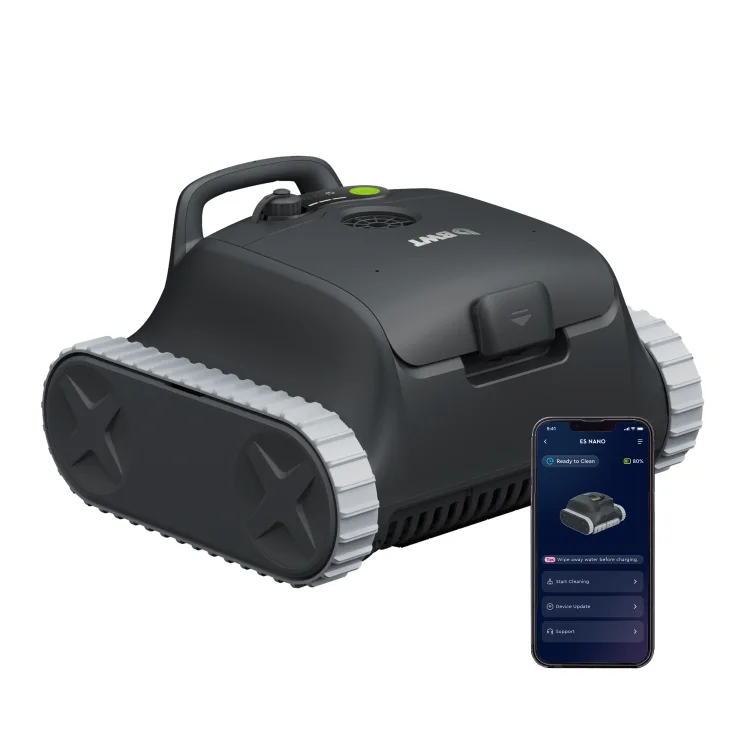
ES Nano
Limited evidenceRead the findings →BWT's smallest cordless pool robot, light to lift and with a battery you can replace. It's aimed at small, simple pools in Europe. The catch: BWT's own page is unclear about whether it cleans the walls.
See the alternatives below, or switch market.
Where it sits in BWT’s range
- ES NanoThis model
- ES EchoCordless BWT for floors, walls and waterline, pools to 15m
- BWT ES1500Corded BWT for floors, walls and waterline, pools to 12m
- FSA2400 AdvancedCorded, microfibre filter and pink lights, for larger pools
Feedback
What we know
Per the BWT product page, the ES Nano is a 7.5kg cordless robot for pools up to about 10 metres, with a swappable 4,500mAh battery that runs for about two and a half hours. The BWT listing describes floor and waterline cleaning, and the two BWT pages don't fully agree on whether it climbs walls. Beyond those, we found only retailer listings and a video from a channel with a discount-code deal with a German retailer that sells it.
Walls: the listing contradicts itself
The headline and description on the BWT page say it cleans the floor and waterline of pools up to about 10 metres. The same page's spec table lists floor, wall and waterline, and the BWT listing describes floor and waterline cleaning. A robot has to climb the walls to reach the waterline, so it may well do both. If clean walls matter to you, ask BWT or the seller before buying.
A battery you can replace
Per BWT, the 4,500mAh battery is fitted separately from the motor and is easy to swap, which BWT says gives a longer product life than sealed designs. It runs for about two and a half hours and takes five to six hours to recharge. BWT doesn't say what a replacement battery costs or how many seasons one should last, so we can't tell you how much that saves.
Small, light and app-connected
The ES Nano weighs 7.5kg and measures 40 by 37 by 22cm, per BWT, which makes it one of the lighter robots around to lift out of the water. It has PVC brushes, a 180-micron filter and a flow rate of 13.2 cubic metres an hour. Sensors plan its route, and BWT lists Wi-Fi without explaining what it lets you control.
What's not checked yet
No independent reviewer has put the ES Nano in a pool and published a finished verdict. So the basics are still open: how thoroughly it covers the floor, how it copes with leaves and steps, how long the battery lasts after a season or two, and what the Wi-Fi actually lets you control. The BWT page explains the design and nothing more.
Our take
Should you buy the ES Nano?
Best for: Pools whose owners want a cordless cleaner with a replaceable battery. Skip it if: You want a stronger record in independent tests before buying.
It might suit a small, simple pool in Europe if you want a light cordless robot and like the idea of a replaceable battery, but there's no test to back it up yet. For a small cordless robot with test results, look at the Aiper Seagull SE, which cleans the floor only. If you need walls and waterline cleaned with evidence behind it, the Beatbot AquaSense 2 did well with testers.
The ES Nano is the entry model in BWT's cordless range, below the ES Echo, and it's sold mainly through BWT's European shops. It runs on a battery for about two and a half hours, finds its way with sensors, and lists Wi-Fi, though BWT's page doesn't say what you can do with it. At 7.5kg it's light to lift out, and the battery sits apart from the motor so you can replace it rather than the whole robot.
The catch is the walls. BWT's page is inconsistent: the headline and description promise floor and waterline cleaning, while the spec table adds walls, so ask the seller if that matters to you.
An 'ES Nano + Cap' bundle is also listed on BWT's shop.
Before you buy
The questions people ask about this one
Does it climb walls and clean the waterline?
BWT's spec table lists floor, wall and waterline cleaning, per the specifications, but its product summary and the BWT listing mention only floor and waterline. We found no independent test, so check with the seller if walls matter to you.
Is it cordless, and how long does a charge last?
Yes. BWT claims about two and a half hours of cleaning per charge and five to six hours to recharge, per the specifications. The battery can be taken out and replaced, which BWT says extends the robot's life.
How do I get it out of the pool?
BWT says it's light enough to lift out easily, at 7.5kg, per the specifications. The product page doesn't describe a floating or return-to-edge feature, so plan on reaching it with a hook if it stops in the deep end.
Does it need an app?
BWT lists Wi-Fi on the spec sheet, per the specifications, but its product page doesn't describe an app or what you can control with it. Ask the seller before relying on phone control or scheduling.
Alternatives
Other robotic pool cleaners to compare.
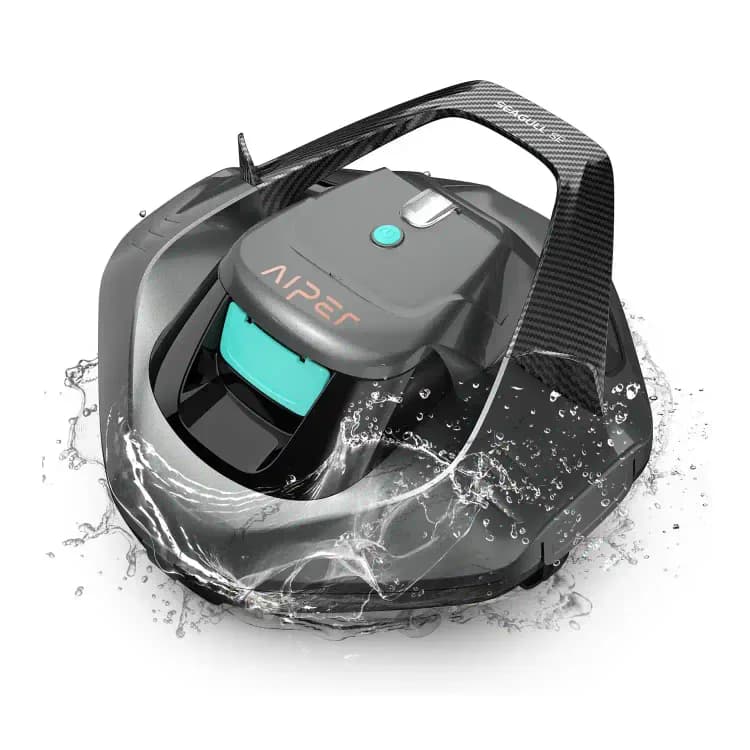
Seagull SE
Why consider it: It's a small cordless robot that four testers found a handy helper for sand and small debris.
The compromise: It cleans the floor only, stalls on big leaves, and is being phased out.
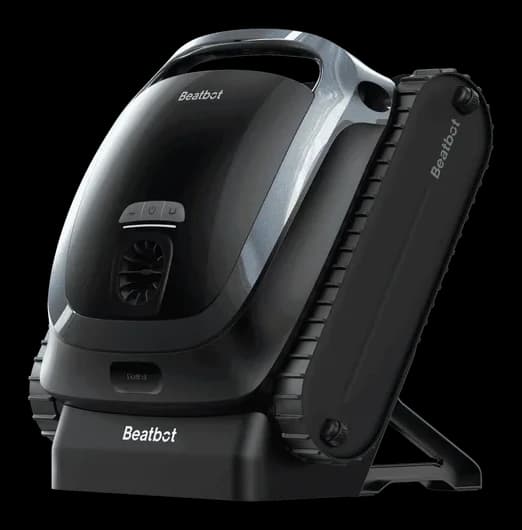
AquaSense 2
Why consider it: Testers liked its floor and wall cleaning, and it floats to the edge when it's done, so there's no hook needed.
The compromise: It doesn't skim, and steps and fine silt were hit and miss in testing.
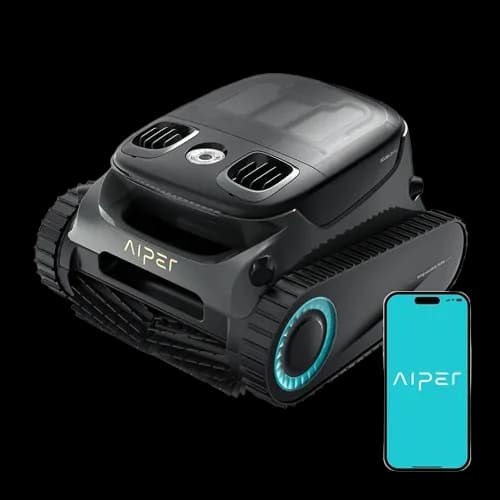
Scuba S1 Pro
Why consider it: Another cordless robot that two testers found cleans floors, walls and the waterline very well.
The compromise: It's heavy to lift out when full of water, and the app does little.
Specs
Full specifications
Each specification names its source. Manufacturer claims are not independent test results; unconfirmed figures are labelled.
Owner reviews
Do you own the ES Nano?
Tell people how it’s held up: cleaning, maintenance, faults and support. Owner accounts are shown separately from independent reviews.
Sources
Where this page’s findings come from
Sources
- BWT: BWT Akku-Poolroboter ES Nano (125689450) ↗Manufacturer
- BWT: BWT pool robot range, German online shop ↗Manufacturer
Videos
- Robotpool: test robotického vysacače BWT ES Nano ↗
- Search YouTube for BWT ES Nano ↗Search results may include company demonstrations or similar models. Check the source and model name; a demonstration is not an independent performance test.