Our take
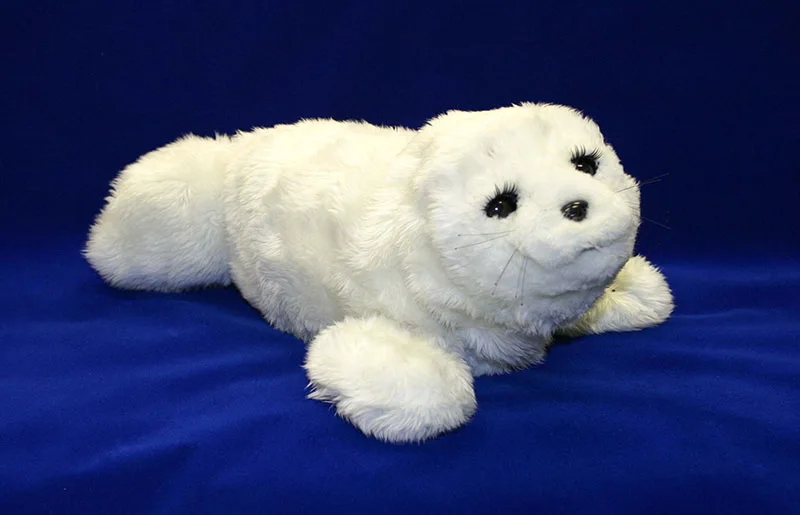
AIST PARO
Not a toy and not really a consumer gadget: PARO is a therapeutic tool. The strongest evidence is in dementia and aged-care settings, where staff and families often report calming, affection and social engagement, although some people find the concept infantilising.
Care staff and families report calming effects, emotional engagement and moments of connection with residents who are otherwise hard to reach.
Some carers and relatives dislike the idea of using a robotic animal with adults, and the benefit depends heavily on the individual person's response.
Households looking for interactive therapeutic seal robot.
Buyers who need a robot that is available to buy immediately.
- Interactive therapeutic seal robot
- Designed for dementia and cognitive care
What reviewers found
PARO has stronger research evidence than most companion robots, but the findings depend on the care setting and outcome measured. Engagement is better established than a universal therapeutic effect.
What a larger trial found
A cluster-randomized study involved 415 residents across 28 long-term care facilities. Participants received brief scheduled sessions with PARO, a look-alike plush toy or usual care. PARO produced more verbal and visual engagement than the plush toy; that comparison is especially useful because it tests whether the robot adds something beyond simply holding a soft animal.
[1]The benefits were not uniform
In that trial, some observed mood and agitation outcomes improved compared with usual care, but a separate standardized agitation measure showed no difference between groups. The authors concluded that engagement was the advantage over the plush comparison. That is more precise than describing PARO as consistently treating dementia symptoms.
[1]A second study adds context
A smaller randomized study in five dementia units followed 61 participants for twelve weeks and reported beneficial stress-related and medication-use outcomes. Its population and supervised care context matter: these findings do not establish that an individual home buyer will obtain the same result or should change treatment.
[2]Ownership questions remain separate
These research studies concern structured interventions, not consumer satisfaction, repair costs or ordinary home maintenance. They support considering PARO as a potential engagement tool within a particular care setting, while leaving durability, cleaning arrangements and practical staff workload to be assessed separately.
[1][2]Research outcomes are setting-specific. The checked studies do not establish guaranteed benefit for an individual or replace clinical assessment.
Sources (2)
- Moyle et al. randomized PARO versus plush-toy trial ↗Hands-on review
- Petersen et al. randomized dementia-care study ↗Hands-on review
Full specifications
- Interaction
- Touch, sound and posture sensing
- Behaviour
- Responsive seal movements and sounds
- Charging
- Rechargeable through dummy-shaped connector
- Cleaning
- Supplier specifies sanitising wipes for the fur
- UK supply
- Sense Medical; professional training available
Sources
Videos
- Lizard381: Cute Therapeutic Paro Seal Robot by AIST at ICRA '09 ↗
- Search YouTube for AIST PARO ↗Search results may include similar models; check the model name.