
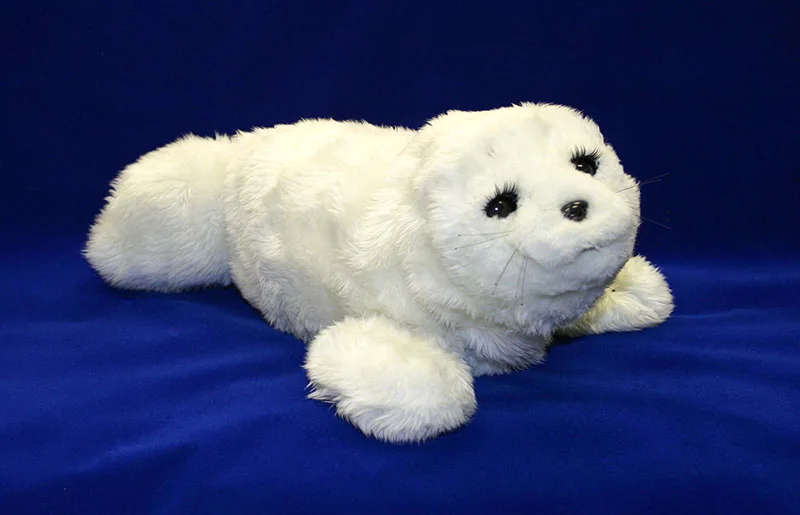
PARO
Limited evidenceRead the findings →A robotic baby seal used as a therapy aid in care homes and hospitals. It's aimed at dementia care and has real clinical research behind it. It's sold only to care providers, not to families.
See the alternatives below, or switch market.
Where it sits in AIST’s range
- PARO 8th generationVersion described on PARO Robots U.S.'s website
- PAROThis model
- PARO version 9Version used in the largest randomised trial, in Australia
Feedback
What we know
PARO is sold as a care device, so there's no consumer-style hands-on review we can count. What we have instead is clinical research. A large Australian trial led by Moyle et al., JAMDA found PARO engaged people with dementia more than a look-alike soft toy, but did no more for mood and agitation than the toy. A smaller American study by Petersen et al., Journal of Alzheimer's Disease reported lower stress and less use of some medicines. PARO Robots U.S. explains how it works and who it's for.
Made for care settings
PARO Robots U.S. says PARO brings the benefits of animal therapy to hospitals and extended care facilities, where live animals cause problems. It's sold through regional companies such as PARO Robots U.S., which also runs certification classes for staff. So it's meant for planned sessions with carers, not for leaving alone with someone at home.
More engaging than a soft toy
Moyle et al., JAMDA ran a trial across 28 Australian care homes with 415 people with dementia. It compared PARO, the same seal with its robotics switched off, and usual care, over ten weeks of 15-minute sessions. People talked to and looked at the working PARO more than the switched-off one. That's the clearest sign that its movement and sounds add something a cuddly toy doesn't.
Mood benefits are mixed
In the same trial, Moyle et al., JAMDA found PARO beat usual care on pleasure and on agitation seen in videos. A standard agitation questionnaire showed no difference, though, and PARO did no better than the switched-off toy for mood. Petersen et al., Journal of Alzheimer's Disease studied 61 people in five dementia units for 12 weeks and reported lower pulse rates and less use of pain and psychoactive medicines. The two studies differ in size and design, so expect engagement rather than guaranteed calm.
Learns what you like
PARO Robots U.S. says it senses touch, light, sound, temperature and posture, so it knows when it's being stroked, held or hit, and can tell light from dark. It learns to repeat whatever earns it strokes and avoid whatever gets it hit. It recognises its name and greetings, and cries with recorded baby harp seal sounds. There's no screen, and it doesn't talk.
PARO is sold to hospitals and care homes, so the evidence is clinical research, not consumer reviews. We cite the trials for context and don't count them as reviews.
Our take
Should you buy the PARO?
Best for: Care teams using a robot in supervised therapy sessions. Skip it if: You want a robot for an ordinary household.
PARO is for care homes, hospitals and dementia services that want a well-researched therapy aid and will use it in supervised sessions. For a family buying for a relative at home, it's hard to get and the research doesn't cover home use. Joy for All's companion pets are on sale widely and made for the same people. Tombot's Jennie is a more lifelike puppy, though it hasn't shipped yet.
PARO is a furry white robotic seal pup developed by Japan's national research institute, AIST, and in use in Japan and Europe since 2003. It lies in your arms, moves its head and flippers, cries like a real baby seal, and learns to repeat what earns it strokes. Sensors for touch, light, sound, temperature and posture let it tell when it's held, stroked or spoken to, and it learns its name. The idea is to bring the calming effect of animal therapy to places where live animals aren't practical.
It's a care-sector device, not a toy. Regional distributors such as PARO Robots U.S. sell it to hospitals and care homes, alongside training courses for staff, and there's no retail listing to add to a basket. Clinical trials show it gets people with dementia engaged, but a large Australian trial found it was no better than a look-alike soft toy at improving mood or agitation.
Before you buy
The questions people ask about this one
Can I buy one for a relative at home?
Not easily. PARO Robots U.S. sends buyers to regional distributors such as PARO Robots U.S. and PARO Robots Japan, which sell mainly to hospitals and care facilities and train their staff. You won't find a retail listing with a price. If you're buying for a care setting, contact a distributor directly.
Does it actually help people with dementia?
It helps with engagement. Moyle et al., JAMDA found people with dementia interacted more with PARO than with an identical switched-off toy, but it did no better than the toy for mood and agitation. In a smaller study, Petersen et al., Journal of Alzheimer's Disease reported less stress and lower medicine use. Think of it as a way to spark connection, not a treatment.
What does it record, and where does that go?
PARO Robots U.S. lists touch, light, sound, temperature and posture sensors, and says it recognises voices and words such as its name. It doesn't mention a camera or an internet connection, and there's no app. PARO learns from how it's handled, so the people who use it shape how it behaves.
Is it suitable for young children?
It's designed for patients and older people in care settings PARO Robots U.S., and the research we cite involved adults with dementia Moyle et al., JAMDA. It's a care device, not a child's toy, so it's best used with a carer there.
Alternatives
Other companion robots to compare.

Companion Cat / Pup
Why consider it: A soft robotic cat or puppy made for older people, including those with dementia, and easy to buy.
The compromise: It won't fool anyone into thinking it's real, and there are no clinical trials behind it.
Jennie
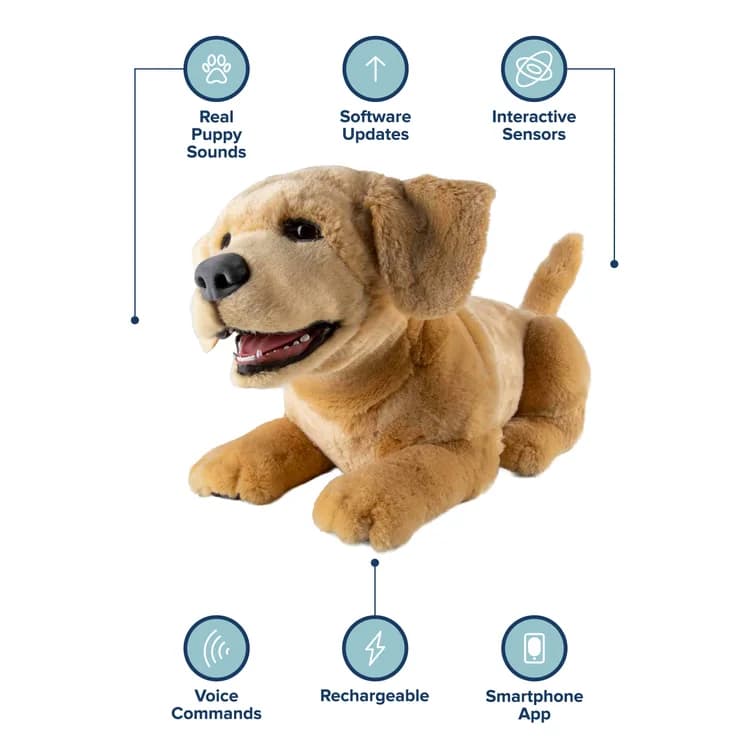
Why consider it: A lifelike robot puppy designed for dementia care, which impressed a nurse at CES.
The compromise: It hasn't shipped yet, and nobody has tested a finished one.

Qoobo
Why consider it: A furry cushion whose tail wags when you stroke it, which reviewers found oddly calming.
The compromise: That's all it does, and you can hear the tail motor.
Specs
Full specifications
Each specification names its source. Manufacturer claims are not independent test results; unconfirmed figures are labelled.
Owner reviews
Do you own the PARO?
Tell people how it’s held up: cleaning, maintenance, faults and support. Owner accounts are shown separately from independent reviews.
Sources
Where this page’s findings come from
Sources
Videos
- Lizard381: Cute Therapeutic Paro Seal Robot by AIST at ICRA '09 ↗
- Search YouTube for AIST PARO ↗Search results may include company demonstrations or similar models. Check the source and model name; a demonstration is not an independent performance test.