
Short answer
Most homes are fine with spinning mop pads. They cost less, have fewer parts to go wrong and handle everyday dirt well. Choose a roller mop if you regularly deal with spills, mud or sticky mess, for example with young children, pets or a garden door.
How each system works
- Spinning mop pads. Two round pads press down and rotate as the robot moves. The dock washes and usually dries them between runs. It's the most common system, and it's well proven.
- Roller mop. A long roller turns against the floor like a paint roller. It's kept wet with clean water as it cleans, and a scraper strips off the dirty water, which goes back to the dock. Because the roller is cleaned continuously, it keeps working on bigger, wetter messes where pads would get saturated.
- Mop plate. A flat pad dragged behind the robot. Fine for a light wipe, but weakest on dried-on marks. It's mostly found on cheaper robots.
Side by side
| Spinning pads | Roller mop | |
|---|---|---|
| Everyday dust and light marks | Good | Good |
| Large spills, mud, sticky mess | Can struggle | Better |
| Price | Lower | Usually higher |
| Parts that can fail | Fewer | More |
| Best for | Most homes | Busy, messy homes |
Which should you choose?
- Choose spinning pads if your floors mostly collect dust, crumbs and footprints, and you'd rather keep the cost down.
- Choose a roller mop if spills and mud are a weekly event, not an occasional one.
- Consider no mop at all if your home is mostly carpet. But few robots worth buying today come without one, so you may not save much by skipping it.
Picks
Spinning pads
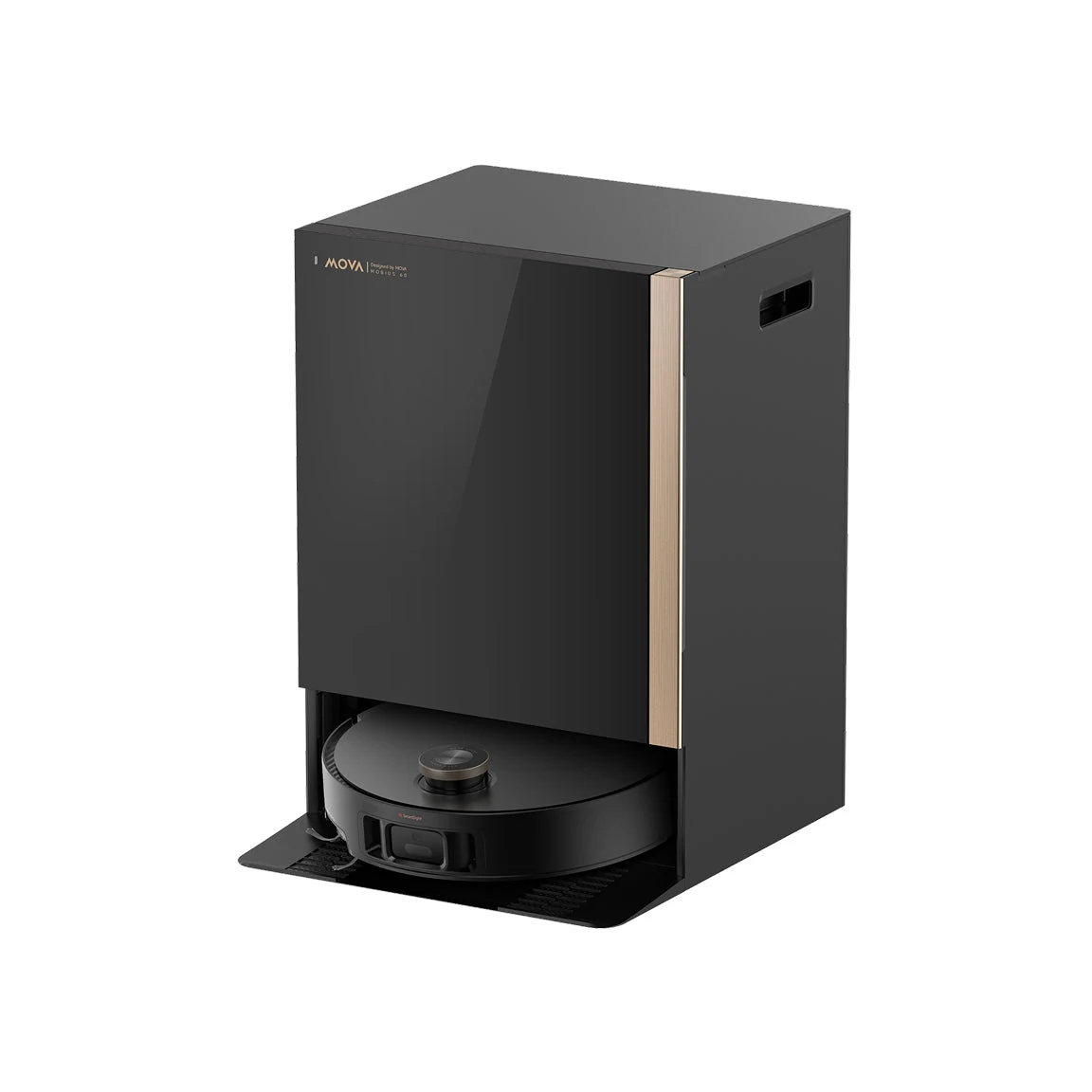 MOVA Mobius 60ReviewedMOVA's flagship vacuum and mop, with a dock that swaps between three kinds of mop pad by itself. It's excellent at dodging clutter, but weak on dried stains and short of battery for big homes.
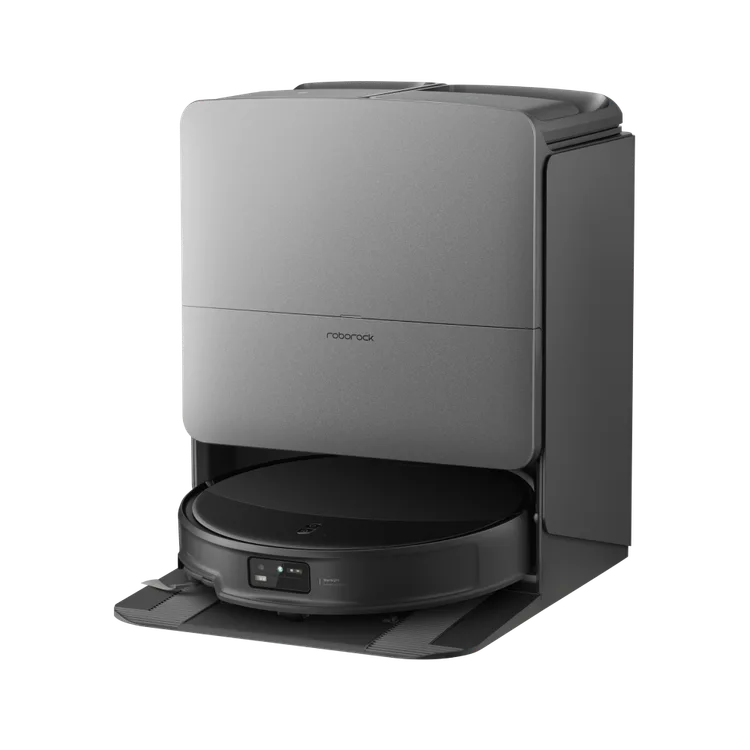 Roborock Saros 20ReviewedRoborock's new top-of-the-range vacuum and mop for 2026. Very strong on hard floors and unusually good at getting over door bars and under furniture, but less certain on thick carpet and clutter.
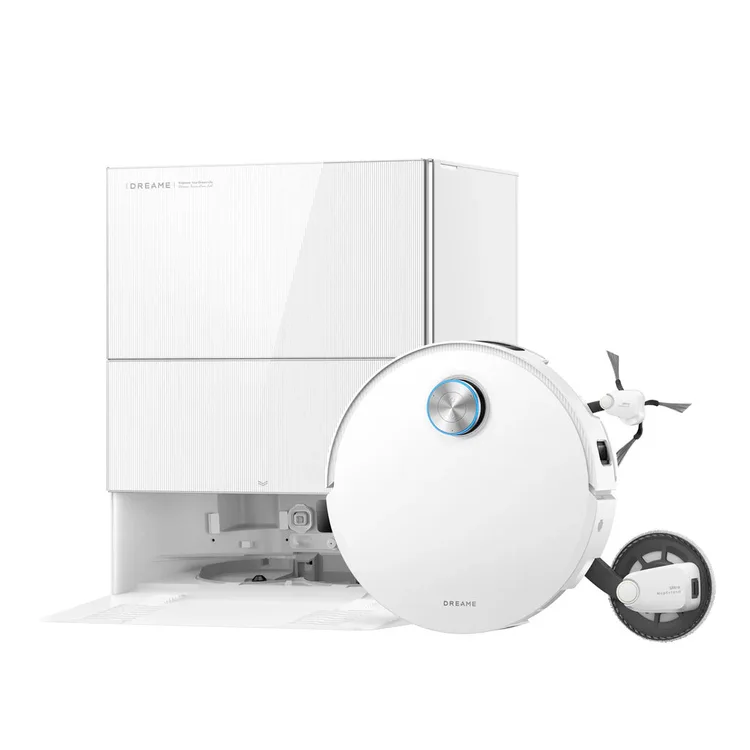 Dreame X60 Pro Ultra CompleteReviewedDreame's 2026 flagship for the UK and Europe, with a long mop arm and legs that lift it over tall steps. Two home testers loved it; a French lab found edges and obstacles weaker than promised.
Spinning pads, lower-priced
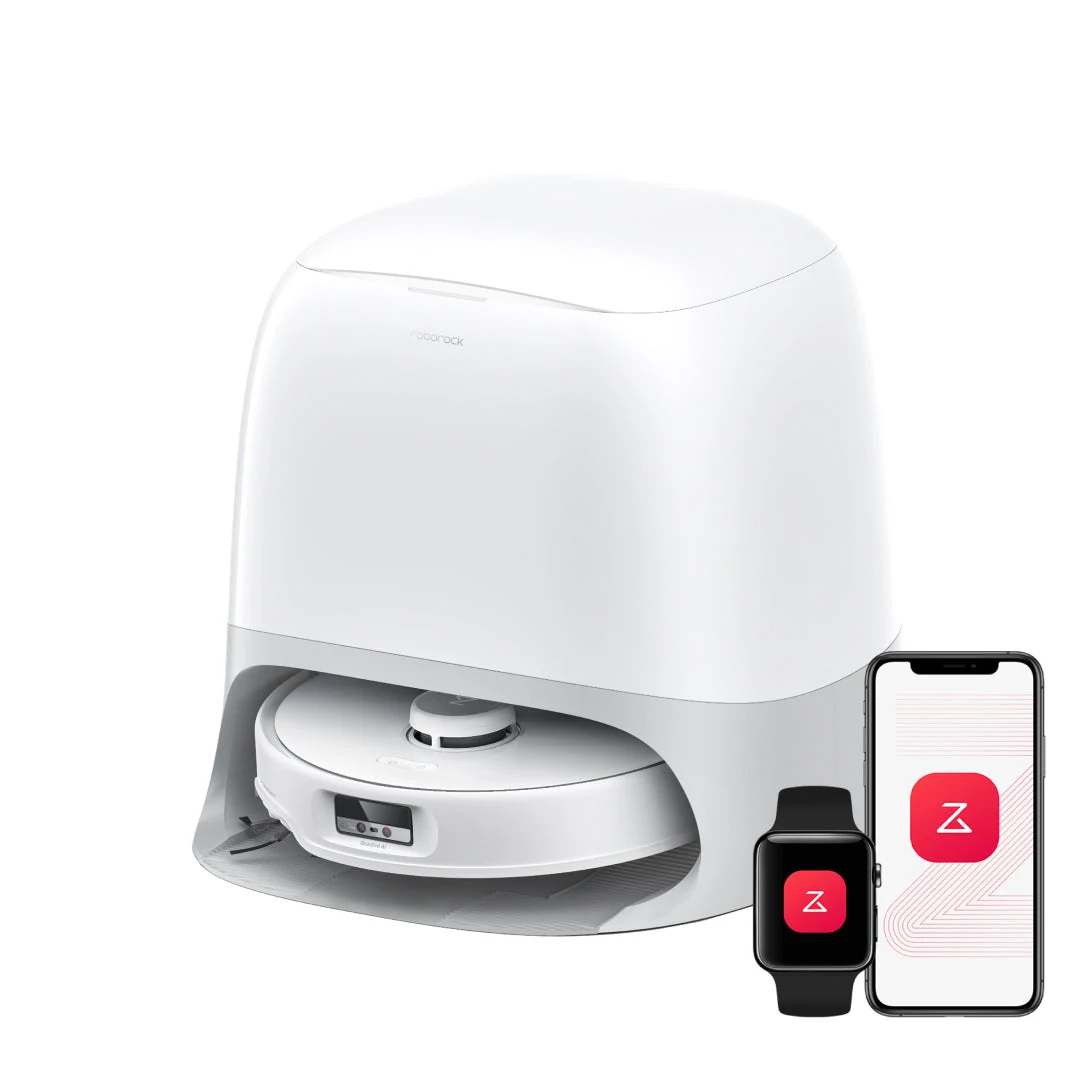 Roborock Qrevo CurvHighly ratedThe original Qrevo Curv, from 2024: superb on hard floors, great at mopping and good at climbing door bars. It misses too many small objects, and testers split on how well it cleans carpet.
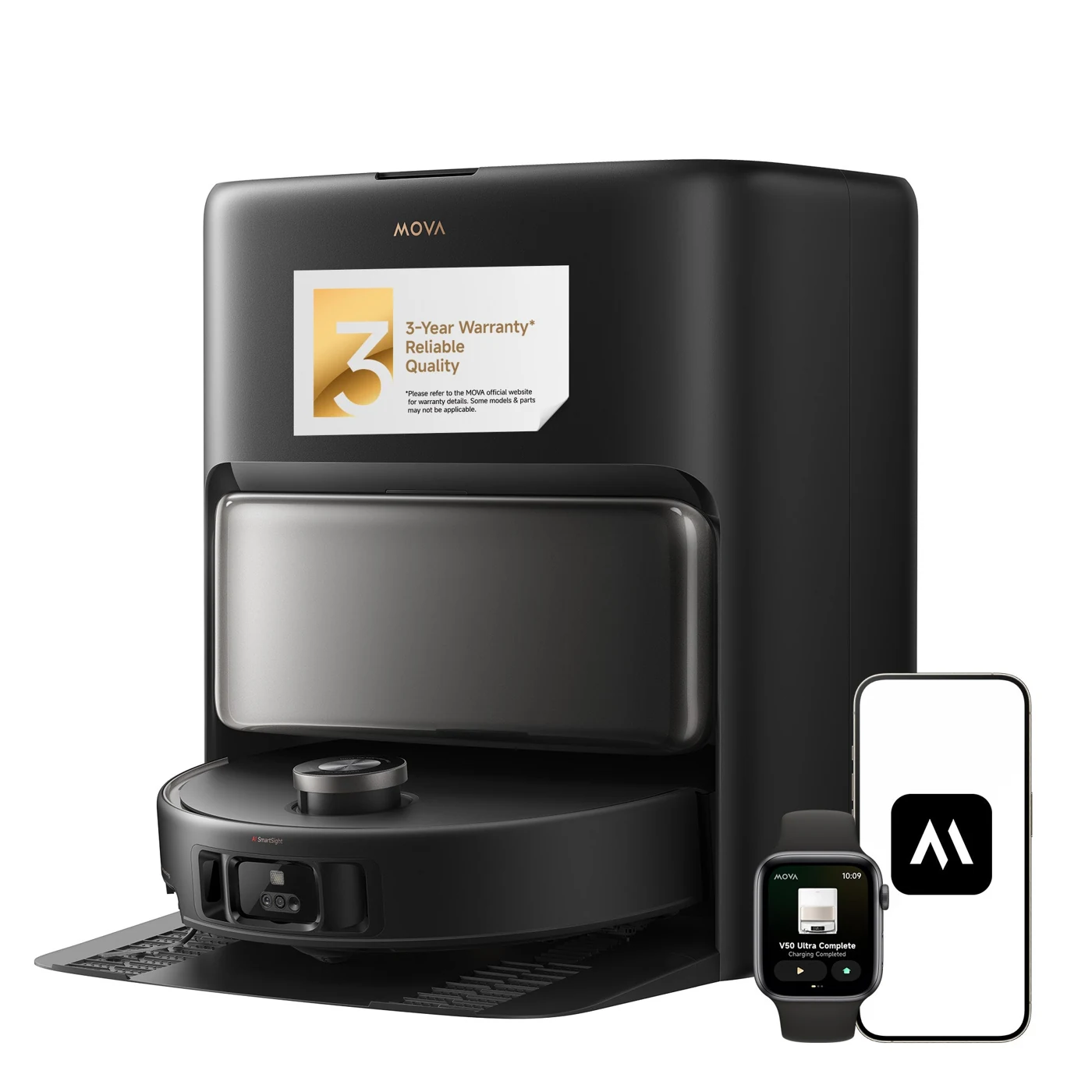 MOVA V50 Ultra CompleteReviewedA well-equipped MOVA vacuum and mop that slips under low sofas and climbs tall door bars. The dock does almost everything, but testers can't agree on how well it cleans or how well it avoids things.
Roller mop
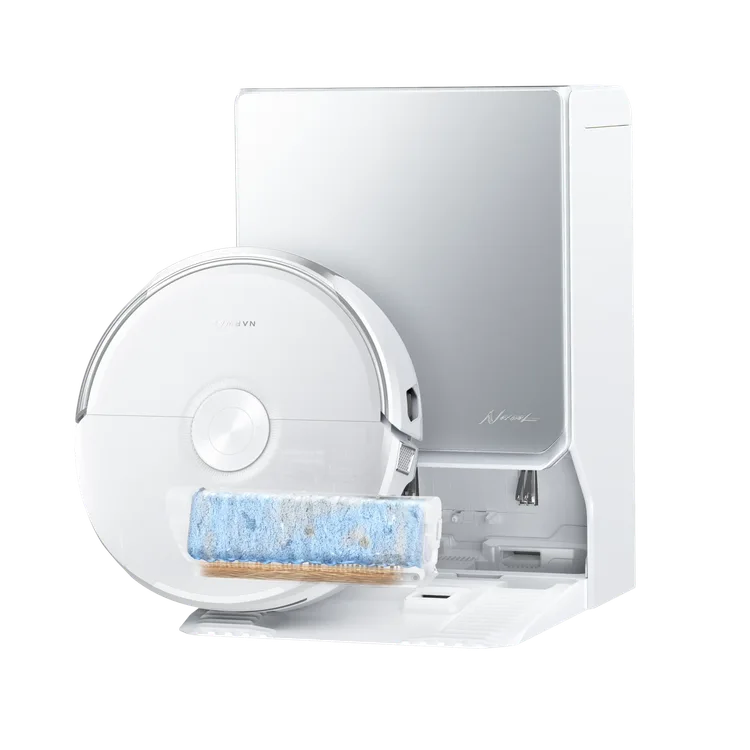 Narwal Flow 2ReviewedNarwal's 2026 flagship keeps the self-rinsing track mop and adds much more suction and smarter cameras. It mops brilliantly and dodges clutter well; edges, corners and larger crumbs are where it slips.
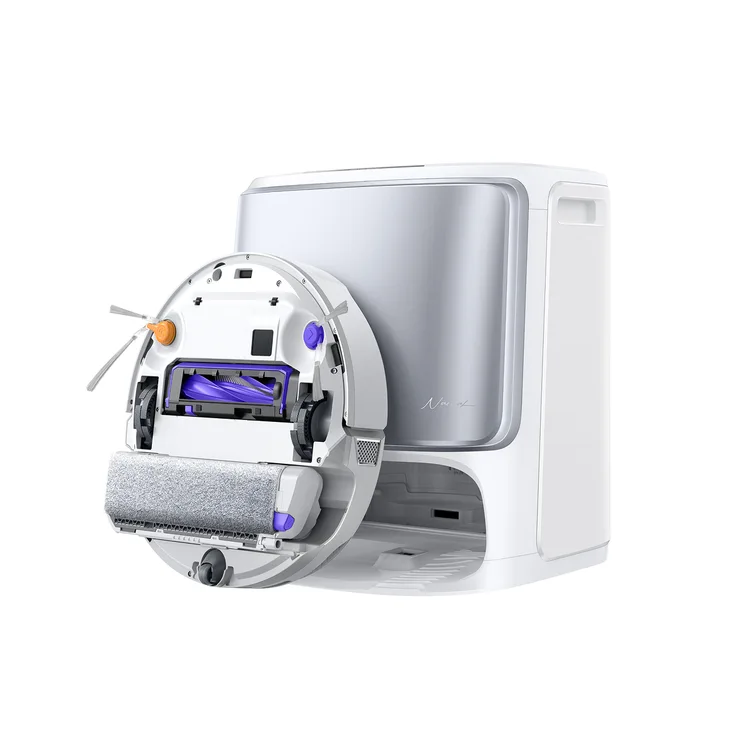 Narwal FlowReviewedNarwal's first robot with a flat, track-style mop that rinses itself while it cleans. Testers rank the mopping among the best they've seen; the vacuuming, routes and app are far less consistent.
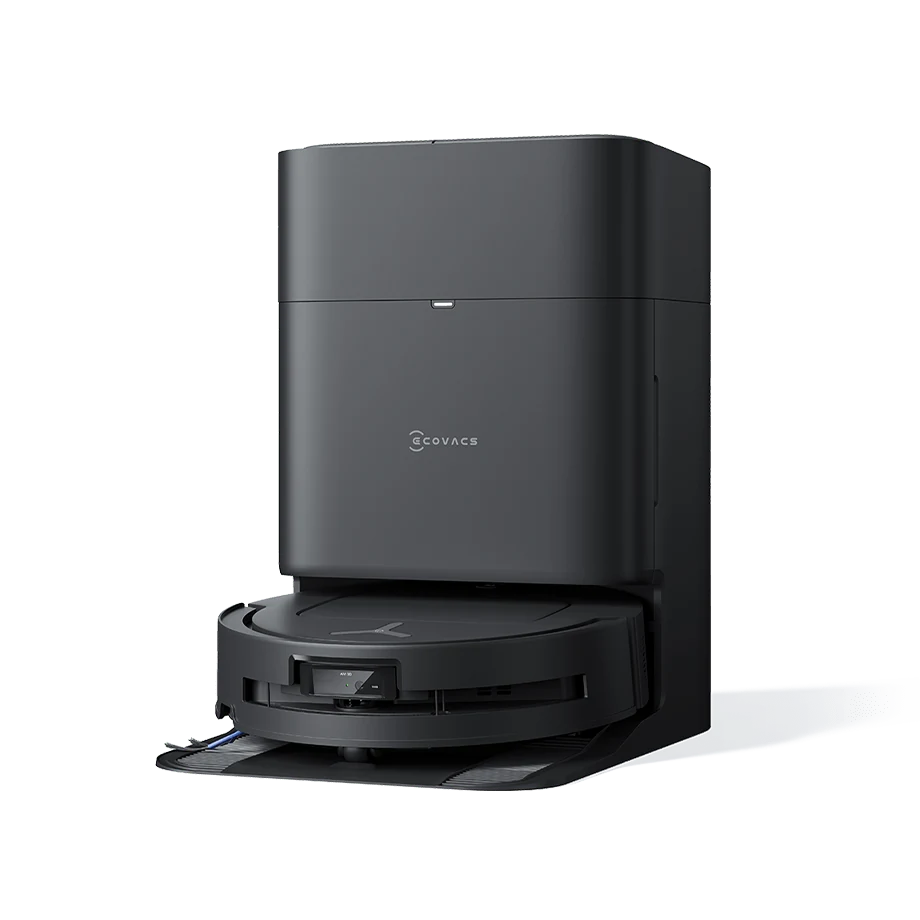
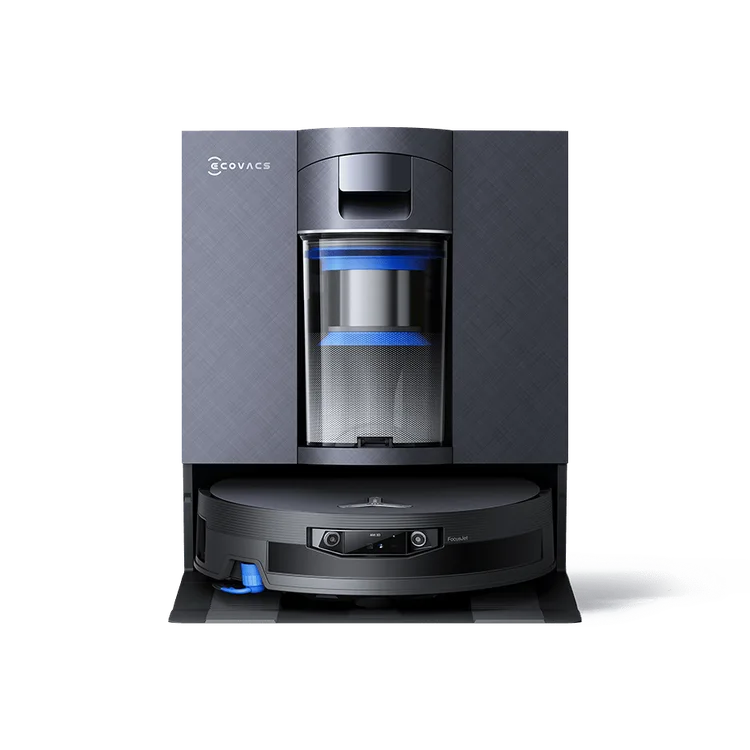 ECOVACS DEEBOT X12 OmniCycloneReviewedEcovacs's bagless roller-mop flagship for 2026. Testers agree the mopping is excellent and the cyclone dock saves on bags, but they split sharply on its vacuuming and on how well it dodges clutter.
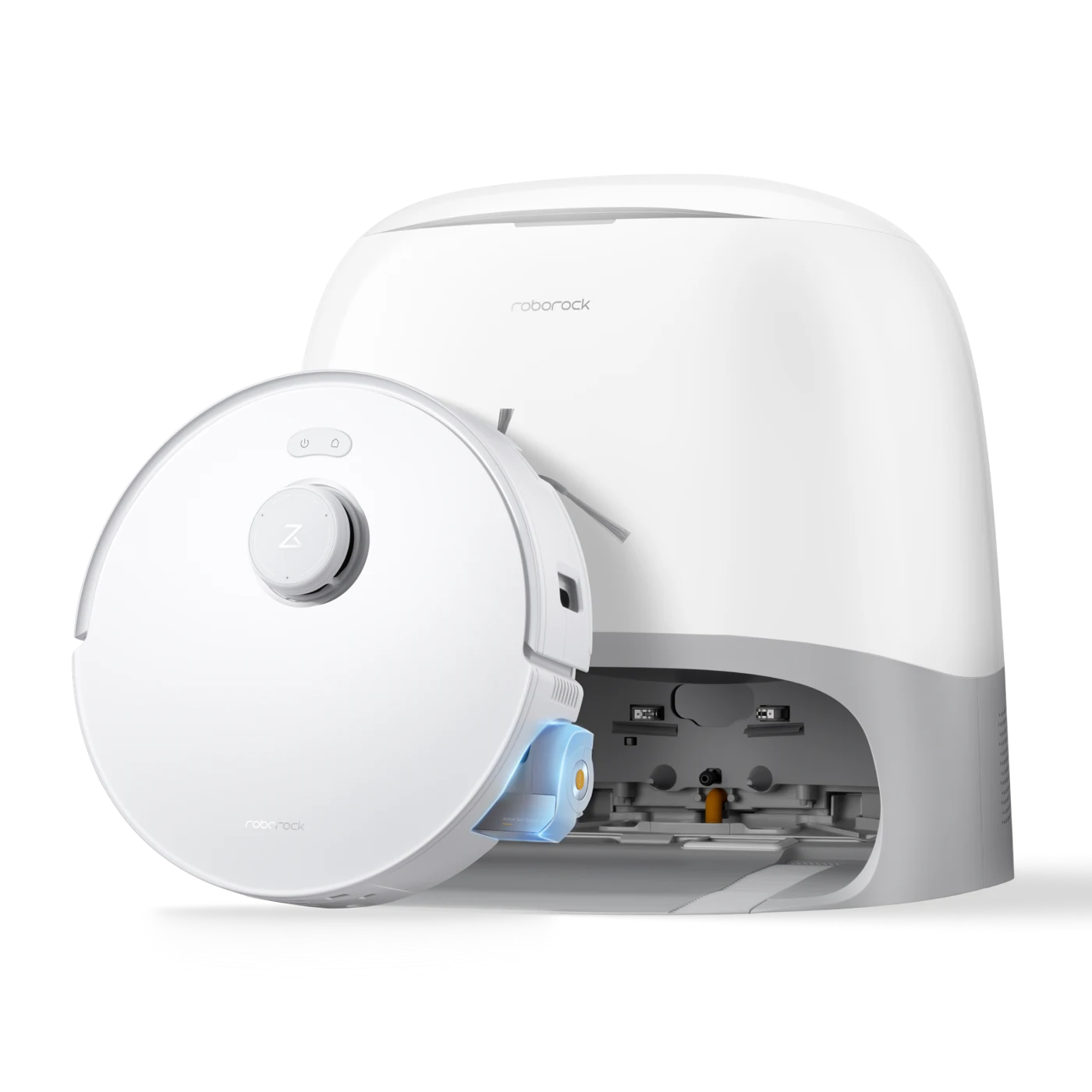 Roborock Qrevo Curv 2 FlowReviewedRoborock's first robot with a self-rinsing roller mop instead of spinning pads. It's a strong, tangle-free vacuum on hard floors, but the roller struggles with dried stains and the tall body won't fit under low sofas.
These picks draw on buying advice from @vacuumnerds and on our robot profiles. See each profile for the full evidence.
Ready to choose?
Find my robot