
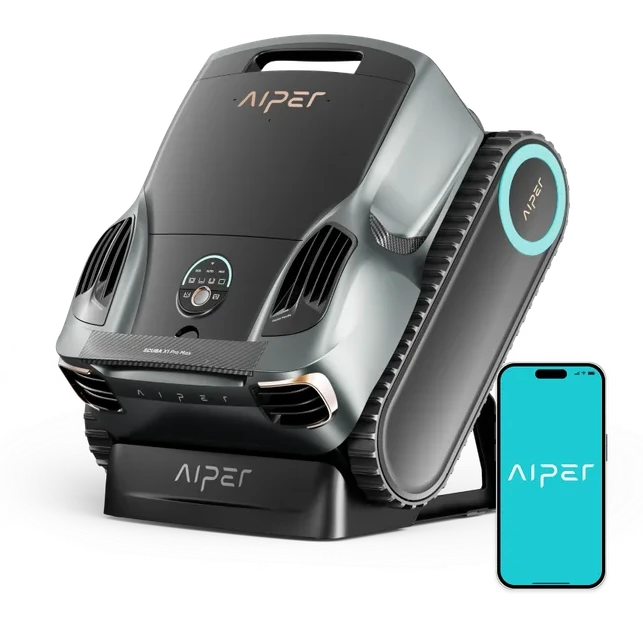
Scuba X1 Pro Max
3 independent reviewsRead the findings →Aiper's top all-in-one pool robot, cleaning the floor, walls and waterline and skimming the surface too. It suits large in-ground pools and cleans very well. But it's heavy to lift out, and some units stopped before finishing a run.
Updated
See the alternatives below, or switch market.
Where it sits in Aiper’s range
Feedback
What reviewers found
T3 and Heise praised its underwater cleaning and warned about the weight. T3 also found surface skimming effective, if slow. Reviewed had a different experience: repeated mid-cycle stops and trouble controlling the robot underwater. A separate HydroComm accessory improved its connection, but none of the reviews explains why its cycles kept stopping. Weigh those failures against the stronger results.
T3, hands-on, Jan 2026 · Heise, hands-on, Aug 2025 · Reviewed, hands-on, Aug 2025
Floor, wall and waterline
Mixed resultsT3 and Heise praised underwater cleaning, and T3 found skimming slow but effective. Reviewed saw good pickup while it worked, but its robot repeatedly stopped and floated up before completing a cycle.
Debris
Reviewers rate it highlyT3 found it superb on sand and silt, fine with acorns and small stones, and as good as anything it had tried on sunken leaves. Reviewed saw it clear leaves, grass and dust when it ran, and T3 found its slow skimming collected most floating debris.
Coverage and navigation
Reviewers rate it highlyT3 and Heise found strong floor coverage and edge cleaning. Reviewed saw it reach steps and a shallow shelf, but repeated mid-cycle stops meant it never finished a full run, so reaching awkward spots didn't add up to a finished clean.
Battery and charging
Reviewers rate it highlyHeise cleaned a 48,000-litre pool in just under two hours using less than half its charge, and T3 found the battery big enough for medium to large pools. It charges on a wireless cradle.
Filter and retrieval
Reviewers found problemsIt's among the heaviest pool robots: T3 and Heise both put it around 15kg dry, and it holds water. T3 found it parks at the edge, but Reviewed's mid-run recall took about 20 minutes, and moving it was only easy with the optional caddy.
Pool types it suits
Reviewers rate it highlyReviewed saw it clean steps and a shallow shelf. T3 found the slope into a deep end threw its route off, though mapping helped it recover. Those are useful results from particular in-ground pools, and none of the tests tried an above-ground pool.
Reliability and support
Not enough evidenceNone of the reviews we use ran it long-term or judged Aiper's support. Reviewed's unit kept stopping mid-run, and T3 found early firmware updates frustrating before later ones fixed its issues.
Value
Mixed resultsT3 found it reasonably priced for an all-purpose cleaner and better value than buying a separate skimmer. Reviewed thought the bundle with HydroComm and caddy a good deal, but wouldn't buy the robot on its own because of its connection problems.
Verdicts come from independent, hands-on, finished reviews. An area needs at least two of them before we say more than “Not enough evidence”. We don't score robots ourselves. How this works
Excellent cleaning when it runs
T3 found it superb on sand and silt, fine with acorns and small stones, and as good as anything it had tested on sunken leaves, which it still called hit and miss. Floor coverage was among the best T3 had seen, though the sloping deep end threw it off and mapping mostly brought it back. Heise saw it trace the edges repeatedly before switching to S-shaped passes, and it cleaned a 48,000-litre pool in 119 minutes on 45% of its battery.
One tester couldn't make it finish
Reviewed never got through a full cleaning cycle: the robot stopped and floated up even with 70% battery and a clear filter. A HydroComm accessory improved the connection, but a recall still took about 20 minutes. T3 described frustrating firmware updates, followed by improvement. Nothing in either account points to a shared cause, or shows that an accessory or update would fix Reviewed's interrupted cycles.
Slow skimming that actually works
T3 found surface cleaning so slow it looked aimless, yet it collected most floating debris, doing better than faster all-in-one rivals that push leaves out of the way. Heise lists a separate skimmer mode and a multi-zone mode for pools with different depths. The cost is time, since long skimming sessions eat into the day. If you already run a solar skimmer, this feature matters less, and a cheaper underwater-only robot may do.
Heavy, so plan the lift
T3 and Heise put it at around 15kg dry, and it holds water when you lift it, though Reviewed quoted a lighter figure. T3 advises lifting slowly so it drains, and found it parked at the edge after cleaning. Recalling it with the app while it's underwater needs a compatible HydroComm Pro or Pure accessory, per Aiper. Reviewed found the optional wheeled caddy useful for moving it between pool and charger, but you still have to lift it out.
Filters and the app
The basket takes clip-in panels rated at 180 and 3 microns. Heise found changing them stiff but liked the bottom flap for emptying, while T3 lifted the basket out and rinsed it. Reviewed liked the app, and Heise used its settings, logs and schedules. To send commands while the robot is submerged, Aiper specifies HydroComm Pro or Pure, per Aiper, so check the exact accessory name in any bundle.
Our take
Should you buy the Scuba X1 Pro Max?
Best for: Pools with both floating leaves and dirt on the bottom. Skip it if: You would struggle to lift a heavy robot out of the water.
Consider it for a large in-ground pool if you want both underwater cleaning and surface skimming, and can manage a roughly 15kg lift. T3 and Heise's strong results need weighing against Reviewed's repeated unfinished cycles, which remain unexplained. Check that any communication bundle includes HydroComm Pro or Pure. The lighter Sora 70 also skims, but its all-in-one mode left floor debris in PCWorld's test.
The Scuba X1 Pro Max is the top of Aiper's X1 family. Against the plain X1 it has nine motors instead of four, forty sensors that let it map the pool, and a skimming mode for floating leaves. It charges on a wireless cradle, takes fine filter panels and parks itself at the edge when done.
T3 and Heise rate its cleaning among the best they have tested. T3 found strong sand and silt pickup, and Heise cleaned a large pool in under two hours on less than half a charge. T3 also found skimming slow but effective. Reviewed's robot repeatedly stopped and floated up before finishing a cycle. A separate HydroComm accessory improved its connection, but the interrupted cycles remain unexplained. Current HydroComm Pro and Pure models support underwater commands; the basic HydroComm monitor does not. It weighs around 15kg dry and holds water when lifted, so plan how you will lift and move it.
Before you buy
The questions people ask about this one
Does it skim the surface as well as clean underwater?
Yes, per the specifications. T3 found its skimming slow but more effective than faster all-in-one robots, collecting most floating debris. Give it time, because it can look like it's drifting about aimlessly while it works.
Is it cordless, and how long does a charge last?
It's cordless and charges on a wireless cradle. Aiper claims up to 5 hours on the floor and 10 skimming, per the specifications. Heise cleaned a 48,000-litre pool in just under two hours using 45% of the battery.
How do I get it out of the water?
T3 found it parks at the pool edge after cleaning. At around 15kg dry, with water still inside, it's a heavy lift. Recalling it underwater with the app needs HydroComm Pro or Pure, per Aiper, and Reviewed waited about 20 minutes for its recall. A caddy helps move it around on land, but it won't lift it out of the pool.
Can it cope with steps and a deep end?
Mostly. Reviewed watched it climb the pool steps and clean a shallow ledge, which other robots it had tried hadn't managed. T3 found the slope into a deep end threw its route off, though mapping mostly brought it back.
Do I need HydroComm?
If you want to send app commands while it's underwater, get HydroComm Pro or Pure, per Aiper. The basic HydroComm model monitors the water but doesn't talk to the robot. Pro does both; Pure just handles communication. Reviewed found an accessory improved the connection, but its repeatedly unfinished cleaning cycles are a separate problem.
How do I clean the filter?
Lift out the 5-litre basket and rinse it, per the specifications. Heise liked the bottom flap for emptying but found the clip-in 3- and 180-micron panels stiff to change. T3 found rinsing under a hose straightforward.
Alternatives
Other robotic pool cleaners to compare.
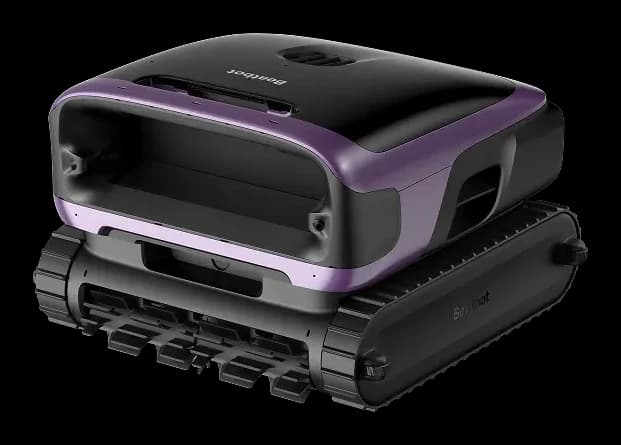
Sora 70
Why consider it: Lighter, with a 6-litre basket that PCWorld called perhaps the easiest clean-up it had seen, and it also skims.
The compromise: PCWorld found its all-in-one mode left more floor debris, and it's slow.
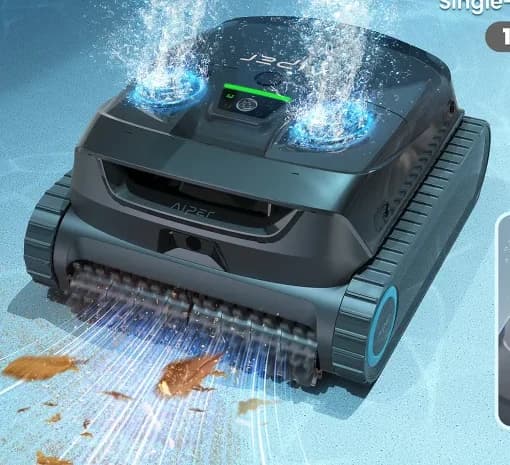
Scuba X1
Why consider it: PCWorld and Les Numériques found it good at catching fine dirt, in a smaller, lighter body.
The compromise: It doesn't skim, its fine filter needs scrubbing, and PCWorld found weaker debris pickup than other reviewers.
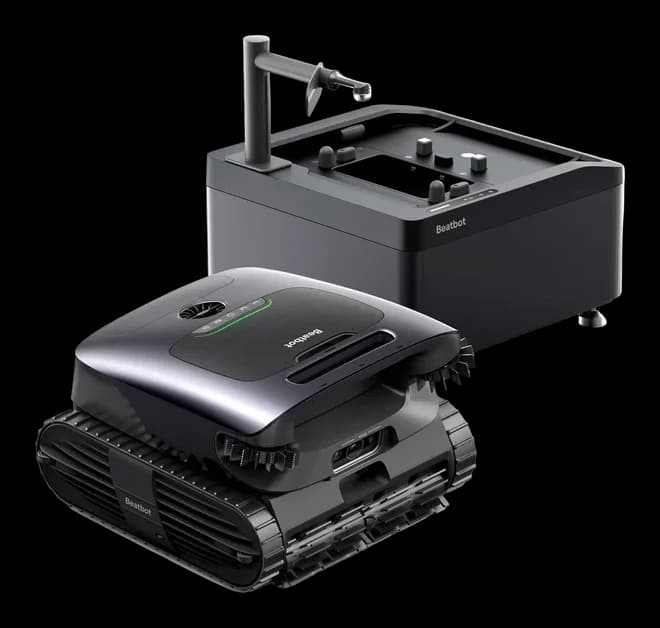
AquaSense X
Why consider it: Les Numériques and WIRED found strong underwater cleaning, and its station rinses the basket for you.
The compromise: The station needs space, water, power and drainage, and reviewers disagree about its skimming.
Scuba X1 Pro Max head to head
Head to head
Beatbot AquaSense 2 Ultra vs Scuba X1 Pro Max
Our verdict: Heise found the Aiper close to the Beatbot on cleaning. T3 praised the Aiper's slow skimming, while PCWorld found the Beatbot pushed some leaves away in a separate test. Those were different pools and conditions, so there's no clear skimming winner. Both are heavy to lift.
Specs
Full specifications
Each specification names its source. Manufacturer claims are not independent test results; unconfirmed figures are labelled.
Owner reviews
Do you own the Scuba X1 Pro Max?
Tell people how it’s held up: cleaning, maintenance, faults and support. Owner accounts are shown separately from independent reviews.
Sources
Where this page’s findings come from
Editorial reviews
Sources
Videos
- gizmochina: Aiper Scuba X1 Pro Max Review: Ultimate All-in-One Pool Cleaning Robot is HERE ↗
- iJustine: Best Pool Cleaner of 2025? Aiper Scuba X1 Pro Max! ↗
- Search YouTube for Aiper Scuba X1 Pro Max ↗Search results may include company demonstrations or similar models. Check the source and model name; a demonstration is not an independent performance test.