
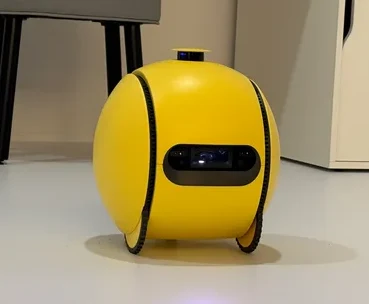
Ballie
Limited evidenceRead the findings →Samsung's rolling, ball-shaped home robot, shown for years and promised for sale before being shelved. It's one to watch rather than plan around. It never went on sale, so there's nothing to buy.
Updated
See the alternatives below, or switch market.
Where it sits in Samsung’s range
- Ballie (CES 2020 concept)Smaller first version that followed its owner around
- Ballie (CES 2024 version)Larger redesign with a built-in projector
- BallieThis model
Feedback
What we know
Samsung announced in April 2025 that a Gemini-powered Ballie would reach the US and Korea that summer, while leaving specs and pricing open. Ars Technica traced its history from CES 2020 through brief demos at CES 2025, and reported in January 2026 that Samsung had shelved it and now calls it an internal innovation platform.
Promised, then shelved
Samsung said Ballie would be available to consumers in the US and Korea in summer 2025, with final specifications, requirements and pricing still to be decided. Ars Technica reported that it never appeared, and that in January 2026 a Samsung spokesperson described it as an active innovation platform used to inform other products. So Samsung is using it internally, with no confirmed release, though it hasn't said Ballie can never come back.
What it was meant to do
Samsung described a robot that chats naturally using Google's Gemini alongside Samsung's own language models, reading your voice, its camera and room sensors. It would adjust lighting, greet people at the door, manage schedules and give advice, such as what to wear. Ars Technica adds that earlier demos showed it following its owner, starting a robot vacuum after a mess and projecting video onto walls.
Only ever seen in demos
Ars Technica says Samsung had teased Ballie since CES 2020, showed a larger version with a projector at CES 2024, and gave only limited demos at CES 2025, such as sending directions to a phone and recommending wine. No reviewer ever took one home. So nobody can tell you how well it got around, how private it was or how long its battery really lasted.
Our take
Should you buy the Ballie?
Best for: People following a product that is not ready to buy. Skip it if: You need a finished robot you can buy and use now.
Ballie has no confirmed consumer launch in the cited evidence, so do not plan a purchase around it. The shelved retail plan and internal development work do not establish a permanent cancellation. EBO X and Loona perform narrower monitoring or companion roles; their cameras and interactions do not make them equivalents of Ballie's proposed home assistant.
Ballie is a yellow ball-shaped robot that Samsung showed at CES for years. It rolls around the house on wheels, follows you and in later versions carries a projector to throw videos or calls onto a wall. In April 2025 Samsung said a Gemini-powered Ballie would go on sale in the US and Korea that summer, able to chat, greet visitors, control smart-home gadgets and set reminders.
It never went on sale. In January 2026 Samsung called it an internal innovation platform rather than a product, and Ars Technica reported it had been shelved indefinitely. Samsung never published a price, final specs or requirements, and the cited announcement provides no product-specific retention policy for its planned camera, microphones and room sensors.
Before you buy
The questions people ask about this one
Can I buy one?
No. Samsung promised a summer 2025 launch in the US and Korea, but Ars Technica reported in January 2026 that it had been shelved indefinitely and kept for internal use. Samsung never announced a price. Nothing in these sources points to a genuine consumer sale, so check with Samsung before trusting any listing.
What would it have recorded?
Samsung proposed voice, camera and room-sensor processing with cloud-based Gemini and its own models, per Samsung. So some of it would probably have gone to the cloud, but the announcement doesn't say which recordings would be kept or who could see them. It gives no retention policy for Ballie.
What happens if the company stops supporting it?
With Ballie, that happened before launch. Ars Technica notes Samsung may reuse its features in other products instead. It's a reminder that big-brand home robots can be announced for years and still be cancelled, so wait for real reviews before counting on any of them.
How long does the battery last?
Nobody knows for the version Samsung planned to sell. For the 2024 version, Ars Technica reports Samsung claimed two to three hours of continuous projector use before charging. Samsung never published a final figure.
Alternatives
Other companion robots to compare.
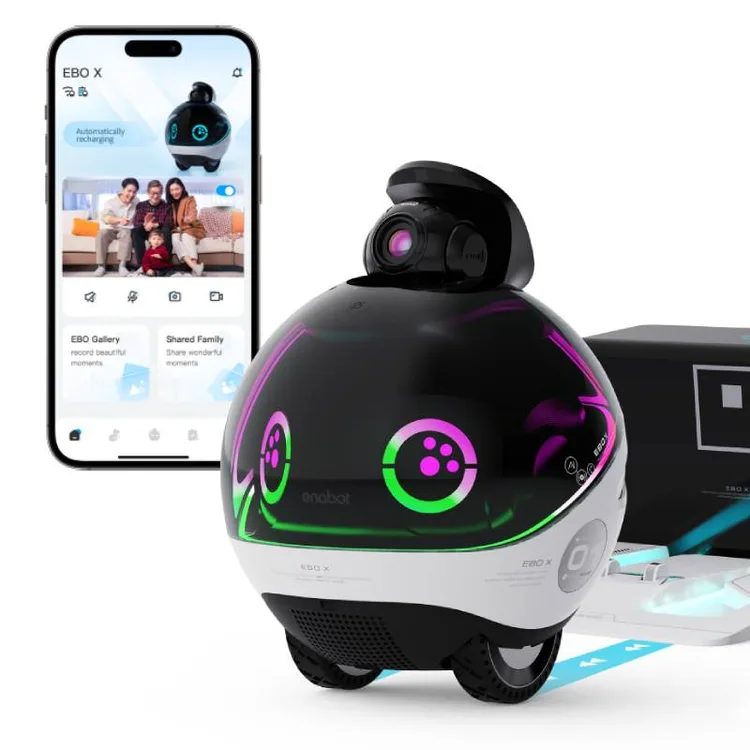
EBO X
Why consider it: A self-navigating robot with a 4K camera and two-way talk for checking in on family and pets.
The compromise: It's a camera on wheels for monitoring, not a chatty assistant that runs your home.

Loona
Why consider it: An expressive rolling companion with playful interactions for families.
The compromise: It's still more pet than practical helper.
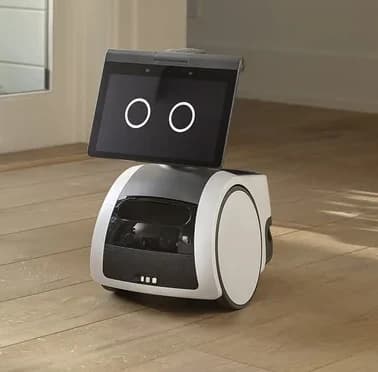
Astro
Why consider it: A rolling home robot with Alexa and remote monitoring through Ring.
The compromise: It's built for interaction and monitoring, not physical jobs around the house.
Specs
Full specifications
Each specification names its source. Manufacturer claims are not independent test results; unconfirmed figures are labelled.
Owner reviews
Do you own the Ballie?
Tell people how it’s held up: cleaning, maintenance, faults and support. Owner accounts are shown separately from independent reviews.
Sources
Where this page’s findings come from
Sources
Videos
- Isa Marcial Global: Samsung Ballie vs LG AI Agent | Robot comparison ↗
- Search YouTube for Samsung Ballie ↗Search results may include company demonstrations or similar models. Check the source and model name; a demonstration is not an independent performance test.