
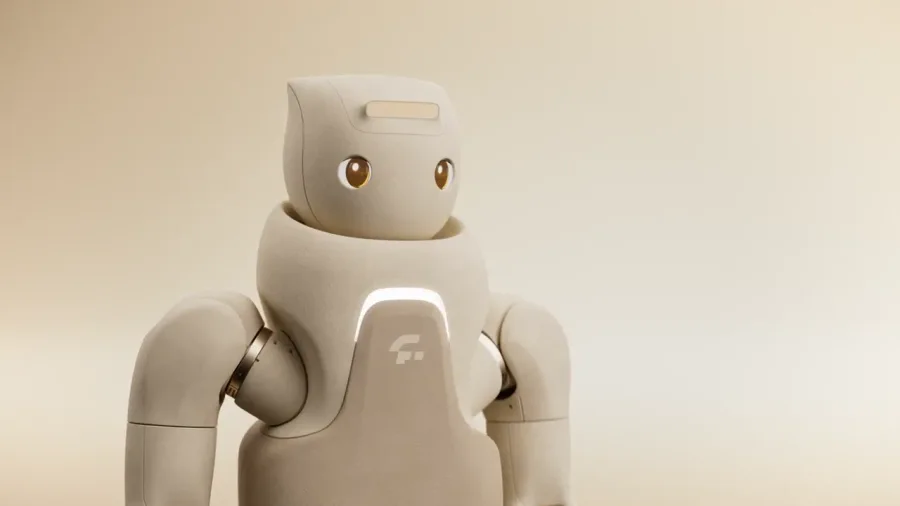
GR-3
Limited evidenceRead the findings →Fourier's full-size 'care-bot', built to chat, respond to touch and keep people company rather than do chores. It's aimed at care homes, public venues and researchers. It isn't sold to households, and its arms carry only about 3kg each, so it's no lifting aid.
See the alternatives below, or switch market.
Where it sits in Fourier’s range
Feedback
What we know
TechNode reported its launch from Fourier's announcement, and Interesting Engineering described what visitors could do with it at CES 2026, again drawing largely on Fourier's material. The specs come from Fourier's documentation Fourier. Together they describe a padded, touch-sensitive humanoid that can chat, recognise faces and join games, pitched at nursing homes and rehabilitation centres rather than housework.
Built for company, not chores
TechNode reported that Fourier pitches GR-3 for companionship, health monitoring and rehabilitation, and expects it to go into nursing homes and rehabilitation centres. Its arms are only rated for about 3kg each Fourier, so it can gesture and hand over small things, but it isn't a lifting aid. If you're considering it for a care setting, think of it as a social presence. It won't help someone out of a chair.
Sight, hearing and touch
Fourier says GR-3 can locate a voice, track movement, recognise faces and respond to touch. Interesting Engineering reported 31 pressure sensors around its body that trigger reactions such as blinking and eye tracking, with fast reflex responses combined with a language model for conversation. Fourier's spec sheet lists a single camera, a microphone that picks up sound from all around, and touch sensors on the head and torso Fourier.
What CES showed, and what it didn't
At CES 2026, Interesting Engineering reported that visitors could chat with GR-3, try touch-based interactions, join light games, watch scheduled dance sessions and play chess against it. Those were short, staged encounters on a show floor. They tell you nothing about whether older adults or patients stay interested once the novelty wears off, which is the real question for a care buyer. Nor has anyone outside Fourier checked its sight, hearing and touch, or how it copes with a full day in a care home.
Battery and upkeep
Fourier lists about three hours of running time and about 1.5 hours to charge, with batteries you can swap without shutting down Fourier. It rates the battery for at least 500 cycles at 80% depth of discharge, and says the robot works between 0 and 45°C. If a care setting wants it available all day, it'll need spare batteries and someone to swap them.
Our take
Should you buy the GR-3?
Best for: Care providers and researchers exploring supervised social interaction. Skip it if: You need proven care benefits rather than an early trial.
GR-3 is for care providers, research groups and businesses who want a friendly humanoid for company and engagement, and it's sold to them directly, not to households. It won't do the housework, and there's no evidence yet that it improves anyone's care. If you want a home robot for chores, 1X's NEO is aimed at homes. If you want a humanoid to program, Fourier's GR-2 or Unitree's G1 fit better.
GR-3 is Fourier's third full-size humanoid, launched in August 2025. Where GR-2 is a bare development platform, GR-3 is dressed for people: a soft padded shell, warm colours, an animated face and touch sensors on its head and body. It can tell where a voice is coming from, follow people's movements and hold a conversation. It stands 1.65m tall and weighs 71kg.
Fourier aims it at nursing homes, rehabilitation centres and public spaces, not ordinary households. Its arms carry only about 3kg each, so it's built for company and interaction, not lifting or housework. There's no public price and no shop listing. At CES 2026 visitors could talk to it, touch it, watch it dance and play chess against it, in short, staged sessions on the show floor.
Before you buy
The questions people ask about this one
Can I actually buy one?
Not as a household. Fourier sells GR-3 to organisations and said it expects deployments in nursing homes and rehabilitation centres TechNode. There's no published price, and it isn't sold through ordinary shops or aimed at households anywhere.
What can it do on its own today?
Going by its CES 2026 demos, it holds conversations, reacts to touch, follows people and performs routines such as dancing or chess Interesting Engineering. Fourier also mentions health monitoring and rehabilitation, but there's no independent evidence that it improves anyone's care.
Is it safe to have around people?
Fourier designed it to be approachable and safe, with a soft covering over an aluminium and plastic body Fourier. It still weighs 71kg and walks at up to 6.1km/h the specifications. No independent safety assessment has been published, so supervise it around frail people.
Can someone control it remotely?
Yes. Fourier's spec sheet says GR-3 supports immersive remote control through a VR headset or an exoskeleton Fourier. Ask any supplier when that's used and who can see through its camera, because it matters for residents' privacy.
What does it need to run?
Swappable batteries giving about three hours each, a charger, and Wi-Fi 6 or wired Ethernet the specifications. Its onboard computer runs Ubuntu 22.04 Linux, and Fourier provides developer resources for organisations that want to build their own features Fourier.
Alternatives
Other humanoid robots to compare.
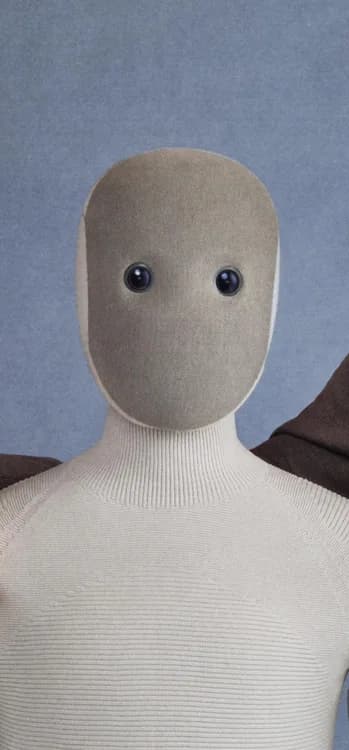
NEO
Why consider it: An early-access humanoid aimed at homes, with US deliveries planned for 2026.
The compromise: It starts with basic autonomy and can rely on a remote human expert for unfamiliar jobs.
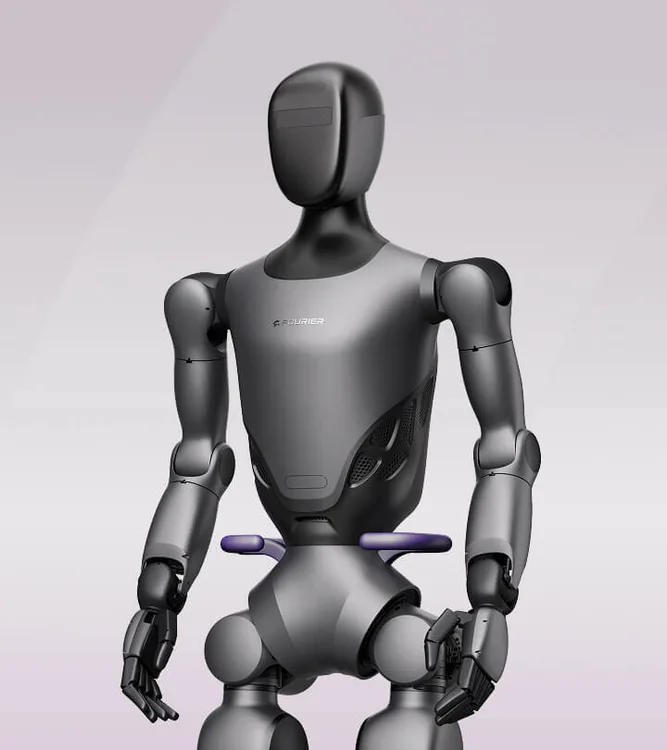
GR-2
Why consider it: Fourier's development platform, with optional 12-joint hands with touch sensors for handling research.
The compromise: It lacks GR-3's soft shell and people-focused features, and runs for about two hours.
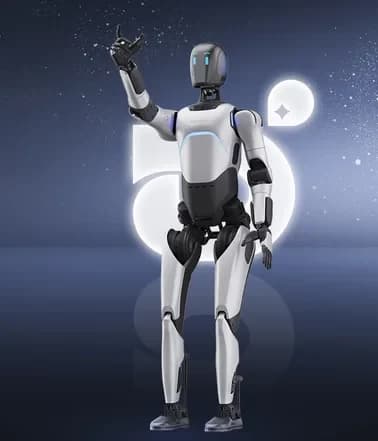
A2 Ultra
Why consider it: A full-size interactive humanoid with autonomous navigation and battery swapping.
The compromise: It's enterprise-only, and its arms are rated for only about 2kg.
Specs
Full specifications
Each specification names its source. Manufacturer claims are not independent test results; unconfirmed figures are labelled.
Owner reviews
Do you own the GR-3?
Tell people how it’s held up: cleaning, maintenance, faults and support. Owner accounts are shown separately from independent reviews.
Sources
Where this page’s findings come from
Sources
Videos
- AI News: Figure 03 VS Fourier GR-3 Humanoid Robot Tech Showdown (AI NEWS) ↗
- Trend AI Tech: Fourier GR 3: The Humanoid Robot With Emotions ↗
- Search YouTube for Fourier GR-3 ↗Search results may include company demonstrations or similar models. Check the source and model name; a demonstration is not an independent performance test.