
H1
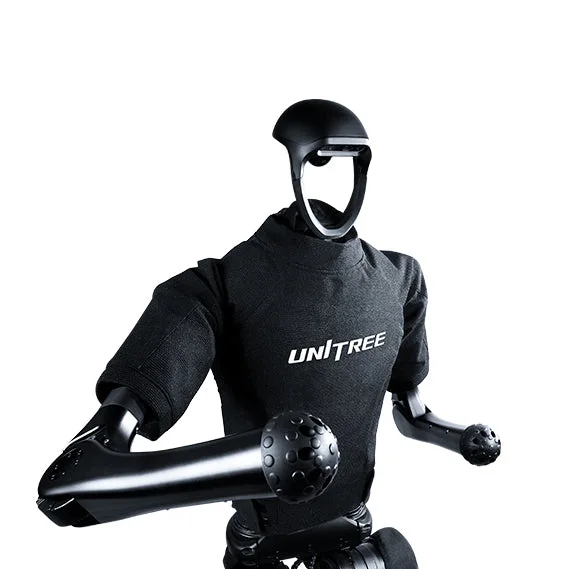
Limited evidenceRead the findings →Unitree's first full-size humanoid, built for speed. It's a research and industry platform for teams with engineers and space, not a home robot. Its arms are the weak point: four joints each and no hands as standard.
Updated
See the alternatives below, or switch market.
Where it sits in Unitree’s range
Feedback
What we know
The closest thing to a hands-on look is TechRadar, which saw H1 at CES 2024 walking slowly but staying upright when kicked. Everything else comes from Unitree: its spec page Unitree and store listing Unitree Robotics Store, so the speed and battery figures are the maker's claims. Nobody independent has timed it or tested its balance over a longer spell, and nothing here shows it comes with ready-to-use navigation software or can do practical work on its own.
Built for speed and balance
Unitree says H1 can move at 3.3m/s, calls that a world record, and claims more potential above 5m/s Unitree. TechRadar saw a different side at CES 2024: an H1 walking slowly, doddering like an old man, but staying upright when a developer kicked it in the back. Both can be true, since record runs and trade-show demos are different settings.
Arms are the weak point
Each of H1's arms has four joints, which Unitree lists as expandable, and hands are optional Unitree. Unitree publishes no arm payload for H1, though it does for the H1-2, whose seven-joint arms are rated at about 7kg. Interesting Engineering describes the newer H2's seven-joint arms as a step up from the four on earlier models. If picking things up matters to your project, H1 is the wrong place to start.
A research platform you build on
The spec page Unitree lists two onboard computers, one for Unitree's own control software and one for your development work, plus a depth camera and laser scanner for sensing. The store Unitree Robotics Store shows a list price but tells buyers to contact Unitree for the real one, and says customs duties are the buyer's problem. Unitree strongly advises individual buyers to understand what humanoids can't do before buying.
Specs come from Unitree's shared H1 and H1-2 page; the figures quoted here are for the original H1.
Our take
Should you buy the H1?
Best for: Research teams with engineers to program a full-size humanoid. Skip it if: You expect it to do household chores by itself.
H1 may suit a research team with engineers, space and controlled operating conditions for a full-size humanoid. There is no independent performance test, no published runtime and no standard hands. Compare the H1-2's different arm hardware or the smaller G1 against your project and development package. Being smaller doesn't by itself mean lower running costs.
H1 was Unitree's first full-size humanoid, about 1.8m tall, and it is still listed alongside the heavier H1-2. Its selling point is speed, which Unitree calls a world record. It sees with a laser scanner and a depth camera in its head, and its arms have only four joints each, with no hands as standard.
TechRadar has seen it in person, walking slowly but staying upright when kicked. Unitree publishes no arm payload or running-time figures for it, the store listing tells buyers to contact sales for the real price, and everything ships from China with duties on the buyer.
Before you buy
The questions people ask about this one
Can I actually buy one?
Only by contacting Unitree. The store Unitree Robotics Store lists H1 but tells buyers to ask the sales team for the real price, and says customs duties are the buyer's to pay. We couldn't find a local retailer.
What can it do on its own today?
Unitree claims walking, running and balance demonstrations and lists a laser scanner and depth camera, per the specifications. Having the sensors doesn't mean it ships with an app that maps and navigates on its own. Hands are optional, so get the exact software and development hardware written into the sales quote.
Is it safe to have around people?
It's a 47kg, 1.8m machine that Unitree says can move at more than 3m/s the specifications. TechRadar saw it stay up when kicked, but nobody has published a safety test. Keep people well clear when it's moving.
What does it need to run?
A charged battery, which Unitree rates at 864Wh and says can be swapped quickly, plus a team to run it the specifications. Unitree doesn't give a running time for H1. Your own code runs on a separate development computer inside the robot.
Alternatives
Other humanoid robots to compare.
H1-2
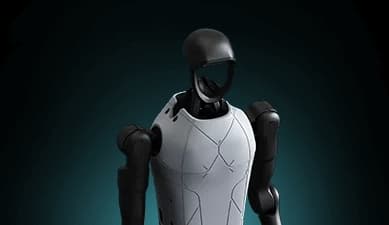
Why consider it: A related full-size model with seven-joint arms and a published arm-load rating.
The compromise: It's heavier, and there's no store listing, so every sale goes through Unitree's sales team.
H2
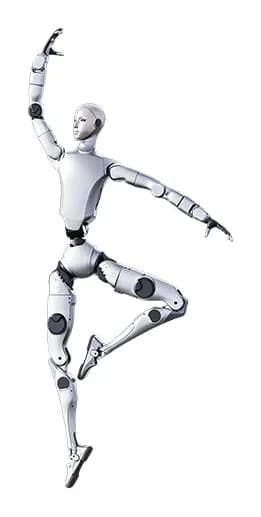
Why consider it: A newer full-size humanoid with a store listing and a claimed runtime of about three hours.
The compromise: Programming it needs the EDU version, and nobody independent has tested it.
Oli
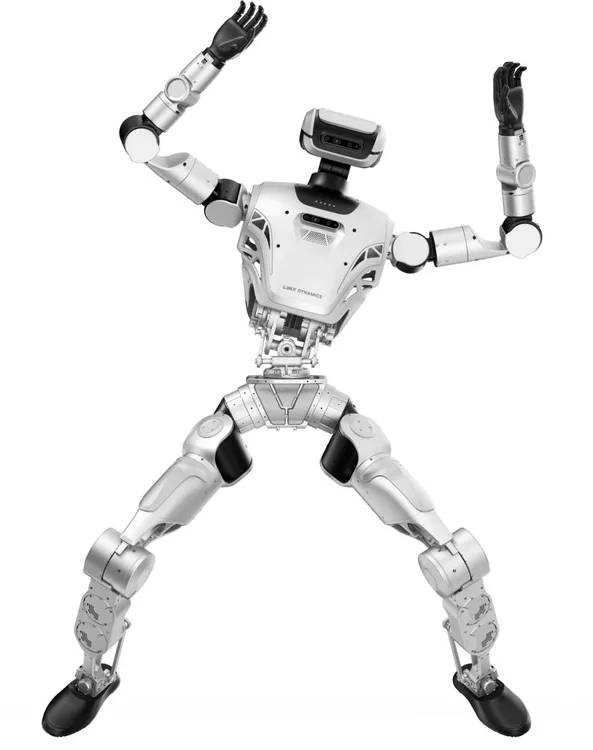
Why consider it: A full-size humanoid offered in Lite, EDU and Super developer editions.
The compromise: It's a developer platform too, with no independent test to lean on.
Specs
Full specifications
Each specification names its source. Manufacturer claims are not independent test results; unconfirmed figures are labelled.
Owner reviews
Do you own the H1?
Tell people how it’s held up: cleaning, maintenance, faults and support. Owner accounts are shown separately from independent reviews.
Sources
Where this page’s findings come from
Sources
- TechRadar: You won't believe how this robot can move – and the abuse it can take ↗News
- Interesting Engineering: Video: China's six-foot humanoid robot knocks down sandbags with precise strikes ↗News
- Unitree: H1 / H1-2 product page and specifications ↗Manufacturer
- Unitree Robotics Store: Unitree H1 store listing ↗Manufacturer
Videos
- Top 3D Shop Inc.: Unitree Humanoid Robots Review: G1 & H1 Redefine Agility, Power, and Human-Like Motion ↗
- GalaxyTech: Unitree H1 Robot - Unitree H1 Humanoid Robot Can Fight, High Jumping And Running Faster, Speed ↗
- Search YouTube for Unitree H1 ↗Search results may include company demonstrations or similar models. Check the source and model name; a demonstration is not an independent performance test.